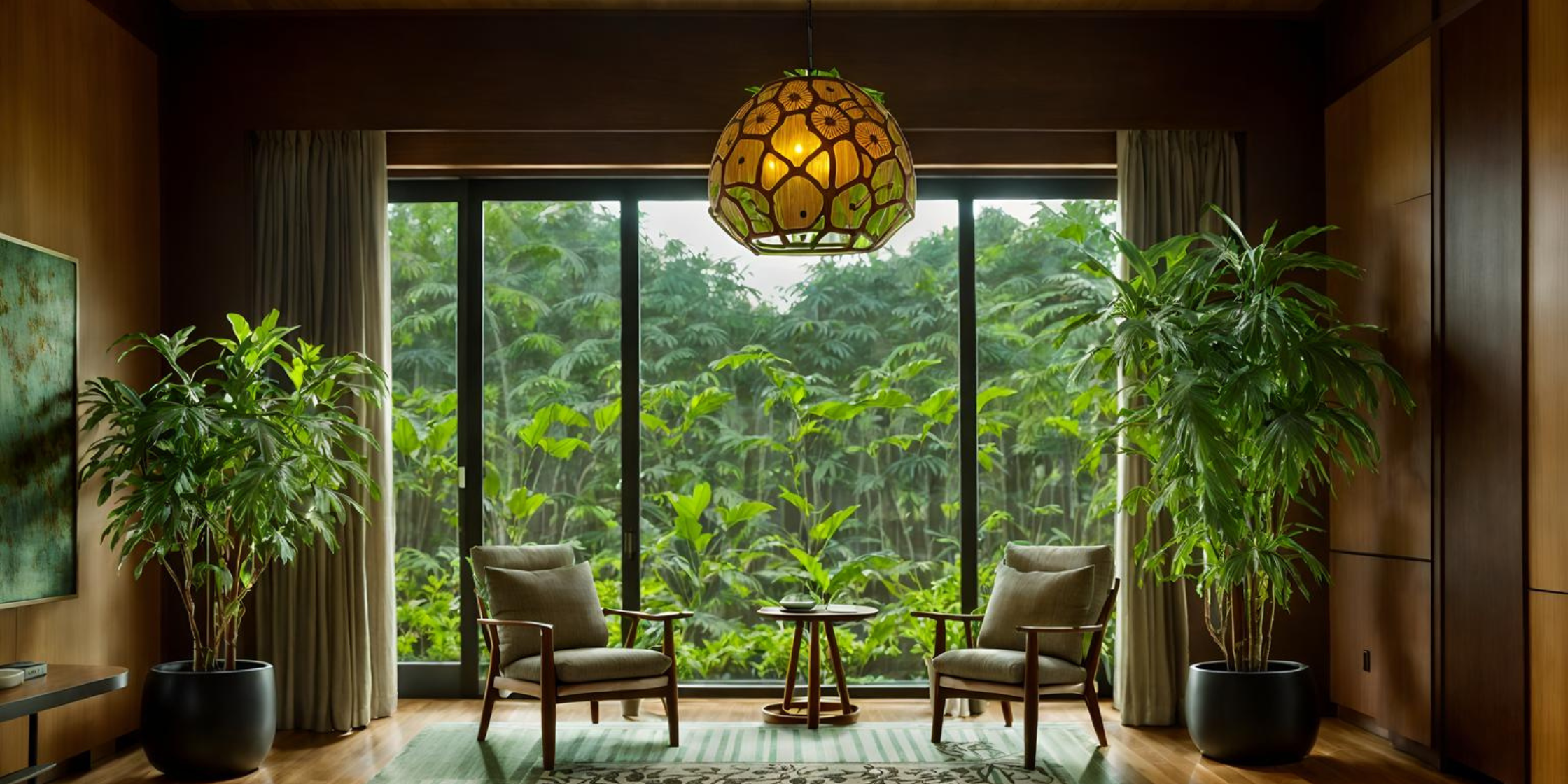
As urbanization continues to push the population from rural areas to bustling cities, we’re now spending up to 90% of our time indoors. Surrounded by computers, televisions, and mobile devices, we are becoming increasingly disconnected from our natural connection to the outdoors. Although you may question why this is important, research indicates that incorporating biophilic design into workplaces and homes can significantly enhance physical health, mental clarity, and emotional well-being [1]. So, here are some ways that you can incorporate biophilic designs into your home!
What is Biophilic Design?
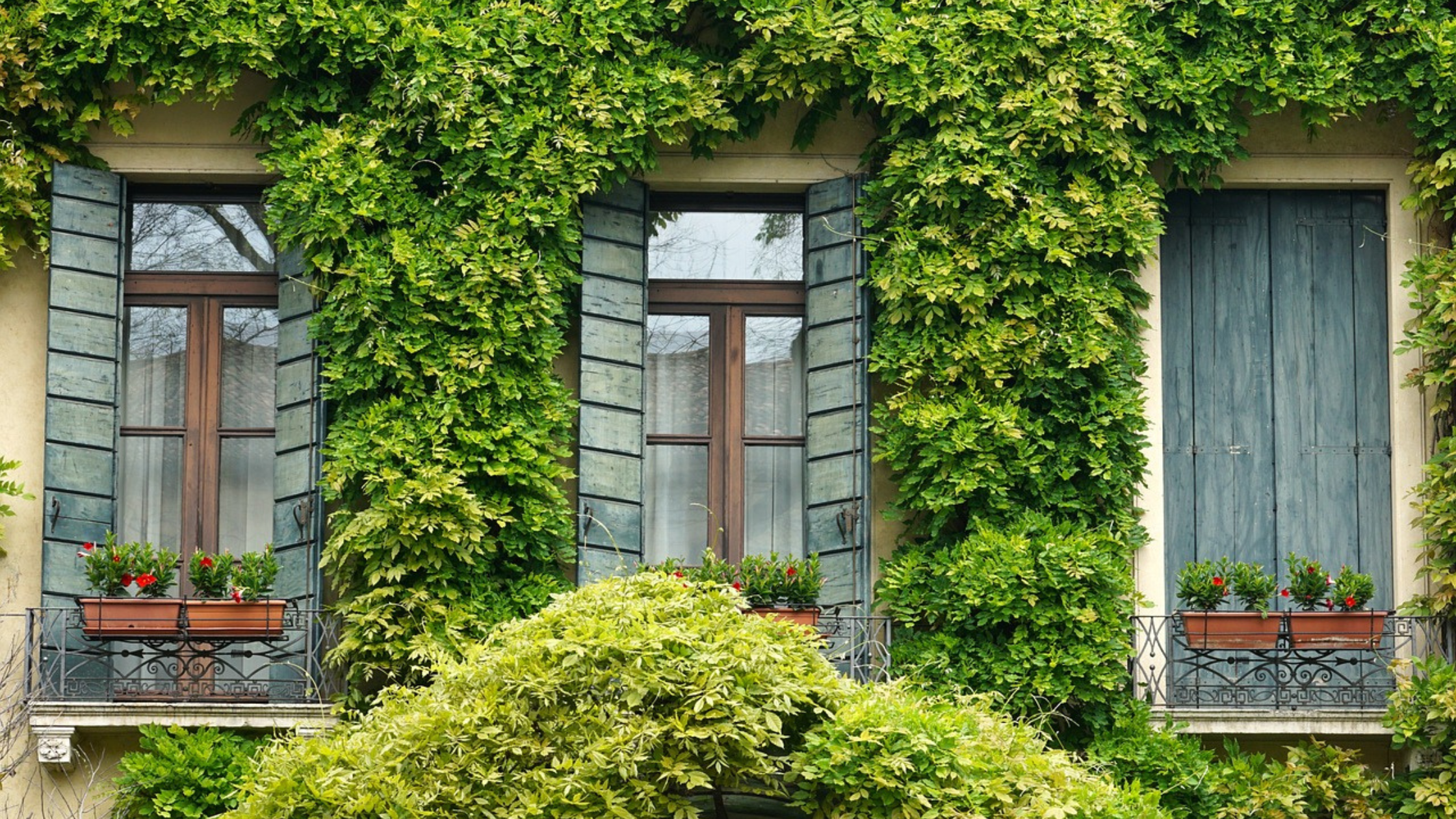
First, what does the term biophilic mean? The term “biophilic” stems from the Greek words bios (“life”) and philia (“love of”) which translates to “love of life” [2]. So, in simple words, it’s the inherent connection humans have with nature despite living in a modern world. The idea of biophilia itself is based on human evolution alongside nature and how we evolved in response to nature, not human-made forces [3].
Importance of Natural Light

Image courtesy of Eric Petschek
Natural light is vital for human health and well-being, influencing physical and mental states. Exposure to sunlight helps regulate our circadian rhythm, the body’s internal clock, which governs sleep-wake cycles and overall energy levels [4]. Beyond the physical, natural light has psychological benefits, boosting mood and reducing symptoms of depression by increasing serotonin levels. Studies show that well-lit spaces enhance productivity, focus, and overall happiness. Incorporating natural light into daily life isn’t just about aesthetics—it’s a cornerstone of human health.
To incorporate more natural light into your home, consider maximizing window size and placement, particularly with south-facing windows, which provide ample year-round light. Installing skylights or roof windows can also brighten dark rooms. Using mirrors and light-colored decor can help reflect and diffuse light, making spaces feel more open. Open floor plans and trimming obstructions outside windows further enhance light flow. Additionally, using light-filtering curtains softens direct sunlight while maintaining privacy. HArts Designs’ top-tech lighting design and products can also create a circadian rhythm through color temperatures, promoting a healthful natural sleep cycle. These systems can be tied into an automatically set lighting plan, ensuring low-maintenance use for optimal convenience.
Incorporating Colors in Nature

Biophilic colors, such as shades of green, blue, earthy browns, and soft neutrals, evoke a natural connection that benefits mental and physical health. These nature-inspired hues are known to promote relaxation, reduce stress, and enhance creativity and focus. Their calming and revitalizing qualities stem from their prevalence in the natural environment, which humans instinctively find soothing. Incorporating these colors into spaces like homes, offices, or public areas fosters a deeper sense of well-being and supports overall health by creating environments that feel harmonious and restorative.
Adding Natural Shapes & Forms

Image courtesy of Wilce Nunes
When we picture nature, we often envision trees, rivers, mountains, oceans, and clouds. These elements share a common trait: organic, flowing, and irregular forms characterized by natural curves and intricate patterns rather than rigid straight lines [3]. These curves shape everything from the branching of trees and the contours of leaves to the movement of waves and other facets of life. This understanding not only celebrates the complexity and beauty of the natural world but also prompts us to reflect on our tendency to favor straight lines and geometric rigidity in our designs, encouraging a closer alignment with nature’s aesthetics.
To bring natural shapes and forms into your home design, consider replacing sharp, geometric furniture with softer, rounded options like curved sofas and oval tables. You can also choose decor and artwork that reflect the flowing, organic shapes in nature. Architectural elements such as curved walls, arched doorways, and rounded windows help break away from the rigid, boxy designs common in most homes. Additionally, textiles with natural patterns and textures, such as linen, cotton, and wool, can further enhance the organic, earthy atmosphere of a room.
Sources:
- Whitehead, Jennifer. “Ways Biophilic Design Promotes Human Health and Well-Being — Art and Design.” Uca.edu, 30 Mar. 2021, uca.edu/art/2021/03/30/ways-biophilic-design-promotes-human-health-and-well-being/.
- Barbiero, Giuseppe, and Rita Berto. “Biophilia as Evolutionary Adaptation: An Onto- and Phylogenetic Framework for Biophilic Design.” Frontiers in Psychology, vol. 12, 21 July 2021, www.frontiersin.org/articles/10.3389/fpsyg.2021.700709/full, https://doi.org/10.3389/fpsyg.2021.700709.
- Kellert, Stephen R, et al. Biophilic Design: The Theory, Science, and Practice of Bringing Buildings to Life. Hoboken, Nj, Wiley, 2008.
- team, NeuroLaunch editorial. “Light Psychology: How Illumination Shapes Human Behavior and Well-Being.” NeuroLaunch.com, 14 Sept. 2024, neurolaunch.com/light-psychology/.